 Industry
January 12, 2025

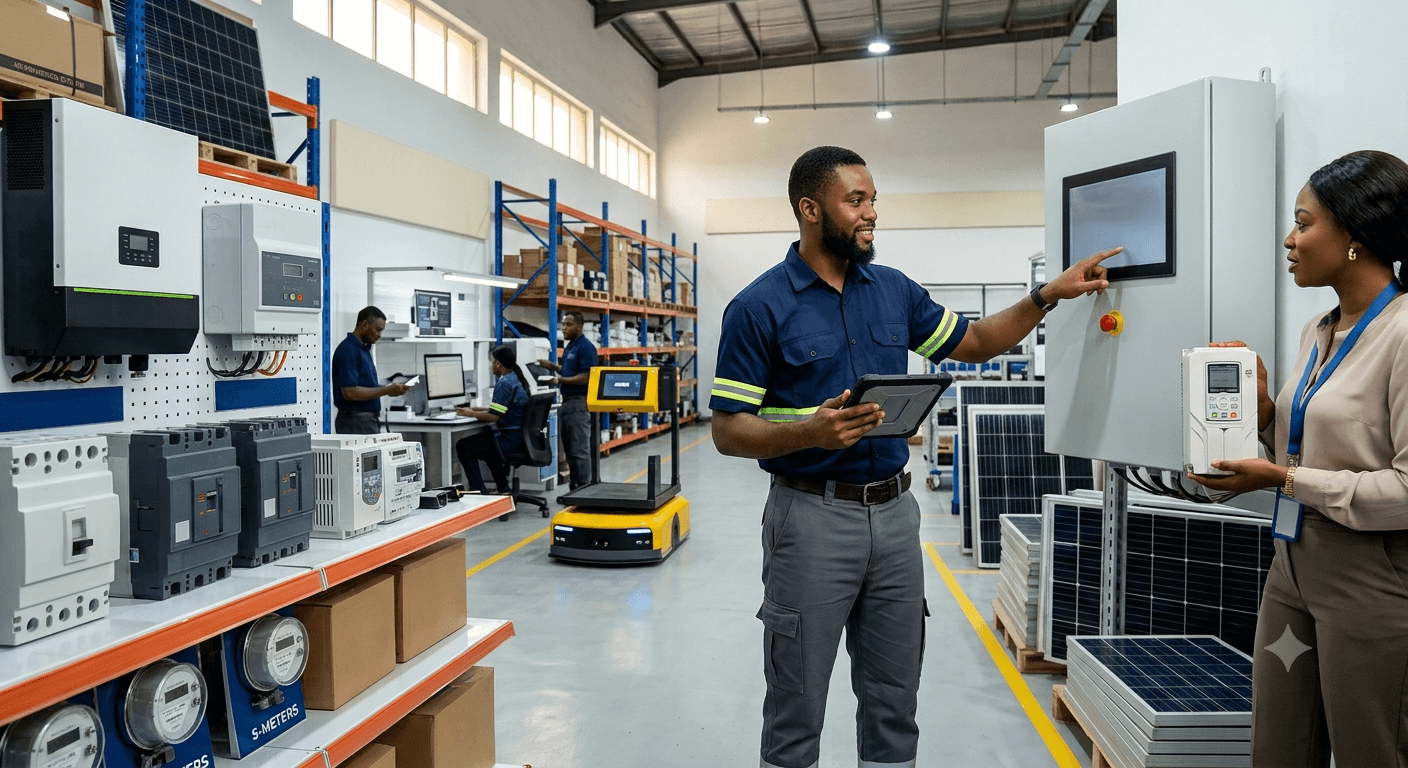
Electrical equipment procurement used to be a straightforward matter of matching a spec sheet to a catalog. That has changed as facilities integrate more monitoring and automation into equipment that used to be entirely passive, and buyers now have to evaluate not just electrical ratings but data compatibility and firmware support.
Smart switchgear and sensor-equipped distribution equipment are becoming standard requests rather than premium add-ons. The appeal is straightforward: equipment that reports its own load, temperature, and wear characteristics lets maintenance teams move from scheduled replacement to condition-based replacement, cutting both unplanned downtime and unnecessary part swaps.
Lead times on core electrical components, particularly transformers and heavy switchgear, have stretched well beyond historical norms, which has pushed procurement timelines earlier into the project planning cycle. Teams that used to order electrical equipment after finalizing a layout are now locking in orders during early design to avoid becoming the critical path.
Standardization is quietly becoming a competitive advantage. Facilities that specify a consistent equipment platform across sites reduce the spare parts inventory they need to carry and shorten training time for maintenance staff, even if it means passing on a marginally cheaper one-off component here and there.
The suppliers pulling ahead are the ones who can talk through integration questions, not just fulfill a purchase order. Buyers should weight technical support and documentation quality alongside price when it comes to equipment that will need to talk to a building management system for the next fifteen years.